“The feeling of the nation must be quickened; the conscience of the nation must be roused; the propriety of the nation must be startled; the hypocrisy of the nation must be exposed; and its crimes against God and man must be proclaimed and denounced.”
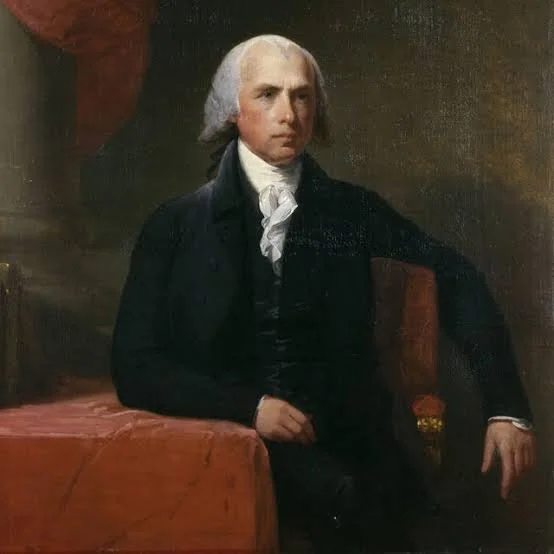
My next book project, The Most Sacred of All Property: Conscience in American Political Thought from Madison to Douglass, traces how Americans transformed conscience from a right to be shielded from the state into a warrant to resist it. Beginning with James Madison’s defense of conscience as “the most sacred of all property,” this book engages with Richard Allen, Angelina Grimké, Henry David Thoreau, and Frederick Douglass as they reflect on an America that defends freedom while upholding slavery. These figures view conscience not only as a private right but also as a public obligation. This project explores how conscience has been central to the American democratic experiment by shaping how citizens hold the American republic to its own, to borrow from Douglass, “saving principles.”
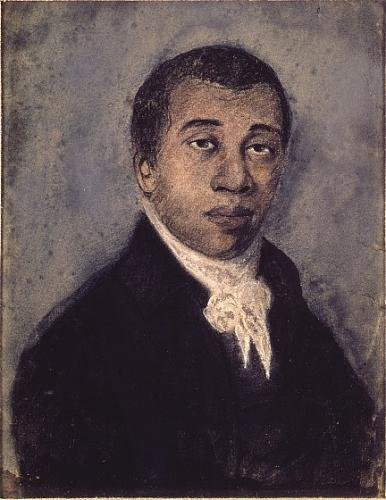


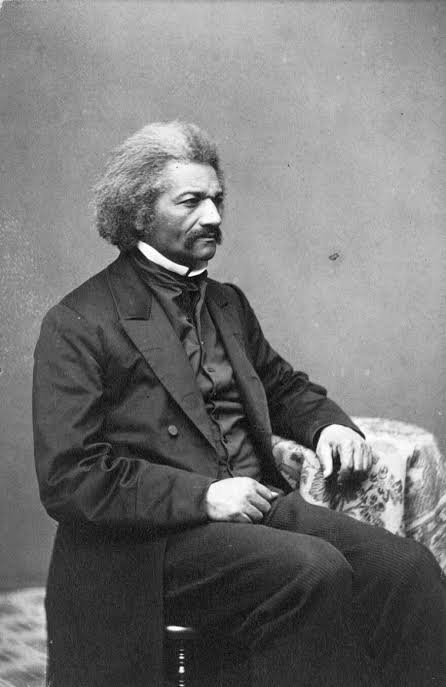
Thus far, one article from this book project, “Frederick Douglass on the Deformation of American Conscience,” is forthcoming in American Political Thought.
Abstract: This article argues that, for Frederick Douglass, conscience is the central terrain on which the struggle between white supremacy and racial justice is waged. While influential commentators emphasize Douglass’s efforts to awaken the dormant white conscience or restore Black dignity through acts of self-assertion, I argue that Douglass views the consciences of both white and Black Americans as profoundly deformed by legacies of racial domination. By tracing Douglass’s writings from the crisis of the Fugitive Slave Act through the post-Reconstruction entrenchment of Jim Crow, I reconstruct his progressively sober assessment of this disfigurement. Yet even as Douglass doubts the prospects for this transformation, he insists on continued resistance to racial injustice. Douglass’s call for continued agitation—contend, contend!—insists that the struggle for racial justice must persist. Conscience thus emerges in Douglass’s political thought as both a faculty deformed to sustain racial domination and a fragile yet necessary vehicle for democratic repair.